

FAQs
Is slip resistance a concern with glass mosaic pool tiles?
Yes, so choose tiles with a non-porous, textured finish or verified anti-slip performance.
How do I clean and maintain glass pool mosaic tiles?
- Clean waterline areas regularly with a soft cloth or non-abrasive cleaner.
- Be cautious of calcium or mineral buildup — address buildup early to prevent hard-to-clean crusts.
- Use mild, low-VOC cleaners for mixed-material mosaics.
Can glass mosaics used in swimming pools crack or fail?
If not installed correctly (e.g., poor adhesive contact), glass mosaics may crack or dislodge.
How long do glass mosaic tiles for swimming pools last?
High-quality glass pool mosaic tiles can last 20‑30 years or more, depending on installation and maintenance.
Do glass pool tiles hold up well over time?
Yes. Glass tiles are non-porous, fade-resistant, and highly resilient. When installed properly with suitable grout, they offer long-lasting performance that rivals other tile types.
Are glass pool tiles more expensive than porcelain?
Generally, yes. Glass tile costs are higher due to intricate installation and material expense. Installation typically runs $35–65/sq ft, compared to $15–35/sq ft for porcelain (both including labor).
How do glass mosaic tiles enhance swimming pools?
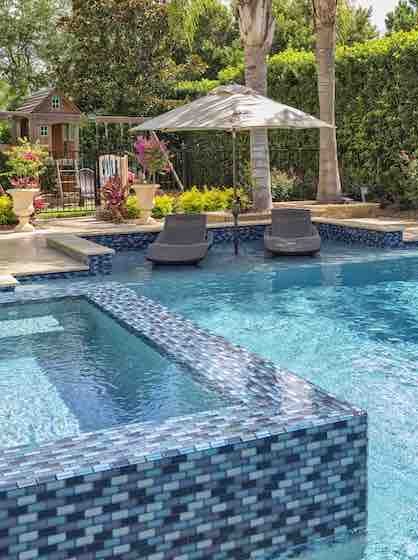
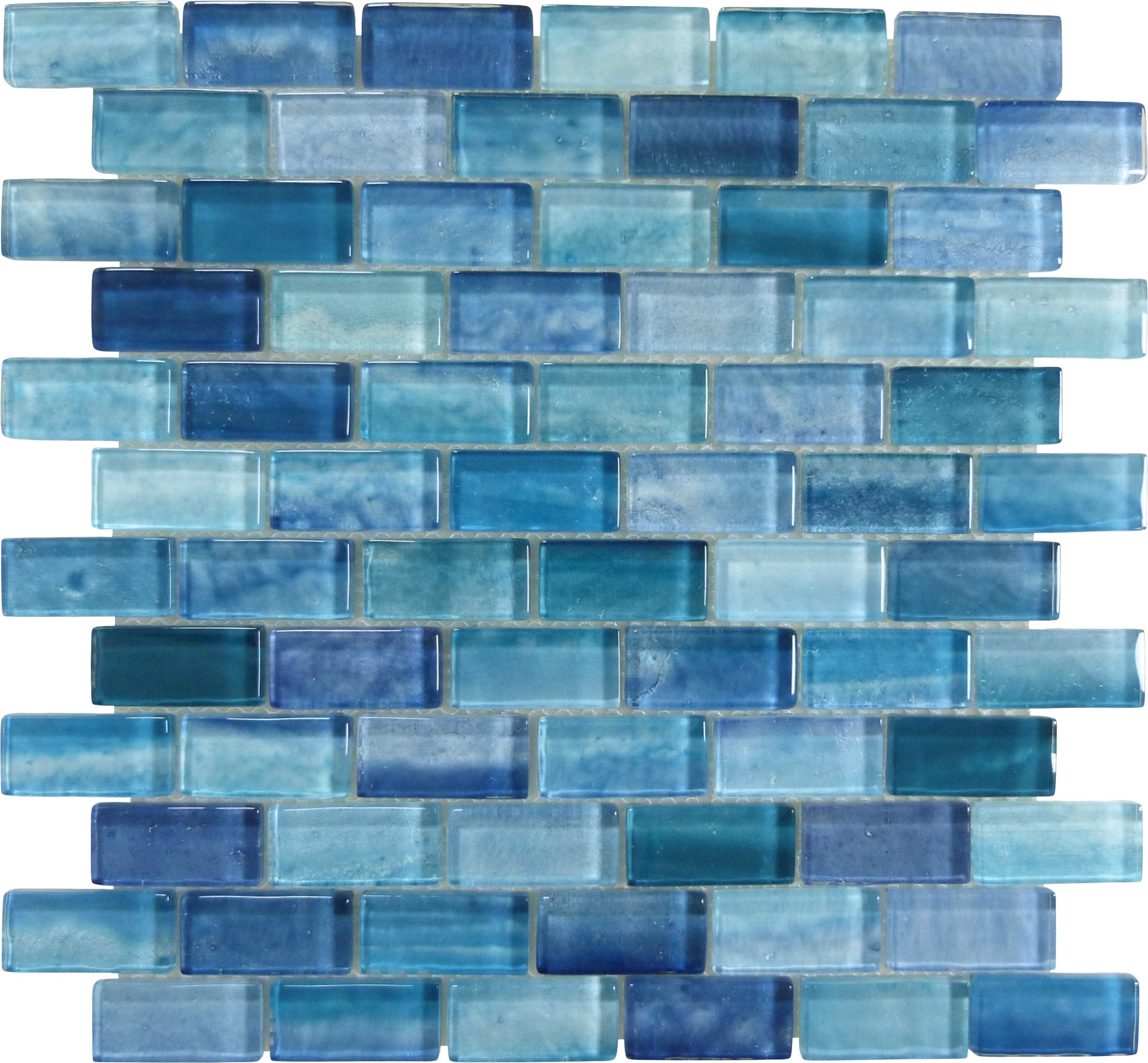
Glass mosaic, porcelain, and natural stone tiles are among the best swimming pool tile ideas, offering durability, elegance, and water resistance.
Are glass pool tiles slippery?
Standard smooth glass can be slippery, but anti-slip glass mosaic tiles are specially textured for safe use in pools.