


Why Glass Tiles Are Popular
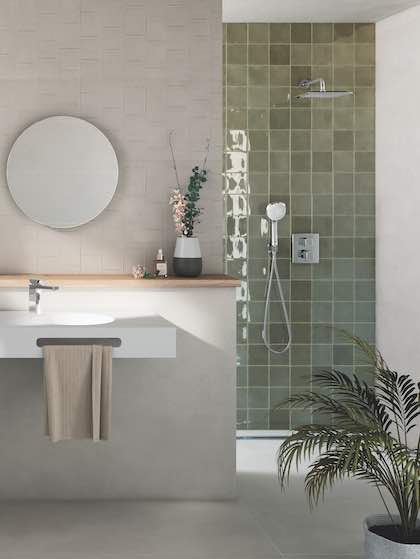
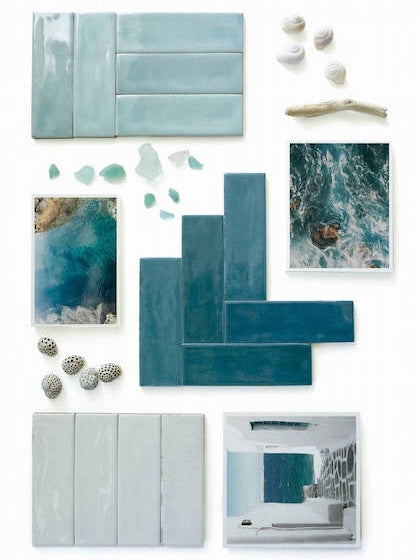
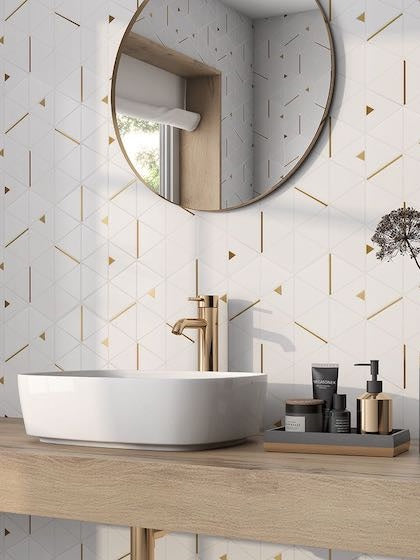
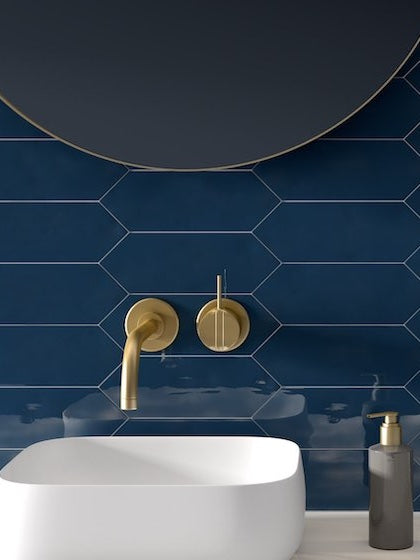
Glass tiles are celebrated for their ability to add light, color, and elegance to a space. Their reflective surface can make smaller rooms appear larger and brighter. Available in a wide range of colors, finishes, and mosaic patterns, glass tiles are ideal for both modern and traditional designs.
Moreover, glass tiles for kitchen backsplashes or bathrooms are often considered an eco-friendly option, especially when made from recycled glass. Their versatility and design appeal make them a favorite for homeowners seeking a statement piece without sacrificing function.
Explore Glass Tile Ideas for Your Future Home
Pros of Glass Tiles
Sleek and Modern Aesthetic
One of the main benefits of glass tiles is their contemporary look. They bring a polished, high-end feel to kitchens, bathrooms, and accent walls, instantly elevating your interior design.
Reflects Light and Brightens Spaces
Glass tiles naturally reflect light, making them perfect for small or dark areas. This reflective quality can make your room feel more spacious and airy.
Durable and Stain-Resistant
When properly installed, glass tiles are resistant to stains, mold, and mildew. They’re also easy to clean with a soft cloth and mild detergent, making them a practical choice for kitchens and bathrooms.
Eco-Friendly Options
Many glass tiles are made from recycled materials, reducing environmental impact. Choosing glass tiles can be a small but meaningful way to add sustainability to your home renovation.
Cons of Glass Tiles
Higher Cost Compared to Ceramic or Porcelain
Glass tiles are generally more expensive than traditional ceramic or porcelain options. While the aesthetic appeal is undeniable, budget-conscious projects may find the cost a limiting factor.
Can Chip or Crack Easily
Glass is more fragile than other tile materials. Heavy impact or improper handling during installation can lead to chips or cracks. Professional installation is highly recommended to minimize damage.
Installation Challenges
Unlike ceramic tiles, glass tiles require special adhesives and precise techniques. DIY installation can be tricky, and mistakes may lead to uneven surfaces or adhesive seepage through the tiles.
Limited Slip Resistance
Glass tiles can be slippery when wet, making them less suitable for flooring in high-moisture areas without proper treatment or textured finishes.
Also, You Can Read the Difference About Glass Tiles VS Ceramic Tiles
Best Uses for Glass Tiles
-
Kitchens: Perfect for backsplashes that catch light and add color.
-
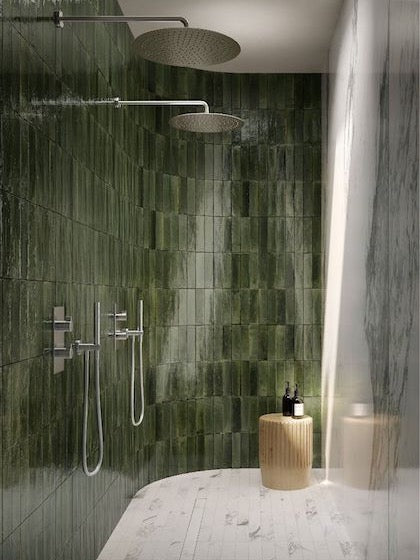
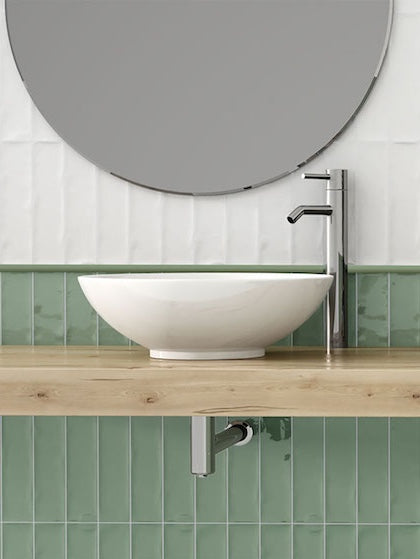
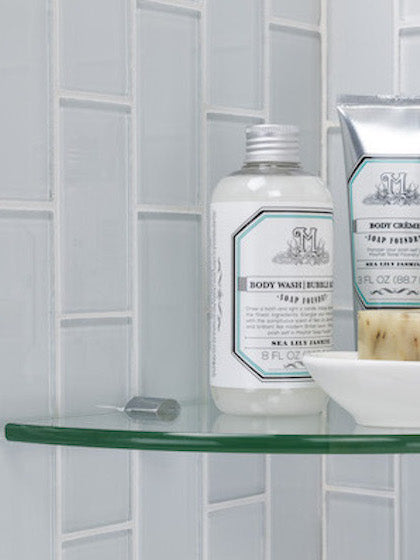
Bathrooms: Ideal for shower walls, vanity backsplashes, and accent walls.
-
Accent Walls: Create a striking focal point in living spaces or entryways.
-
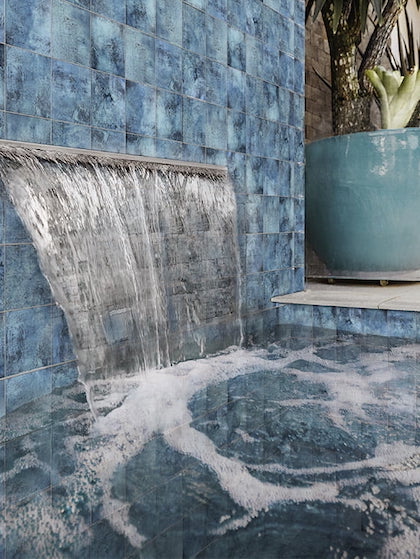
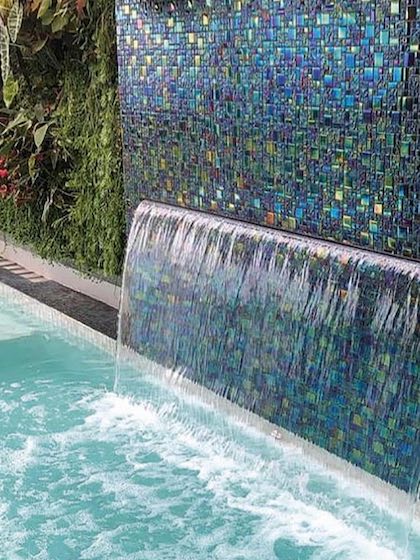
Pools and Outdoor Areas: Glass mosaic tiles add shimmer to pools and water features.
22 Stunning Recycled Glass Tile Ideas for a Swimming Pool
Maintenance Tips for Glass Tiles
- Clean regularly with mild soap and water to maintain shine.
- Avoid abrasive cleaners that can scratch the surface.
- Use protective pads or mats under heavy objects to prevent chips.
- Seal grout lines to reduce staining and moisture penetration.
Conclusion
Glass tiles bring a stunning, modern aesthetic that can instantly elevate any space, from kitchens and bathrooms to accent walls and outdoor areas. Their reflective surfaces, versatile designs, and eco-friendly tile options make them a top choice for homeowners seeking style and functionality. However, it’s important to consider factors like higher costs, potential fragility, and professional installation requirements before making your decision.
By weighing the pros and cons of glass tiles, you can choose the right type and placement for your home, ensuring both beauty and durability. Ready to upgrade your space? Explore our curated glass tile collection at Mineral Tiles and find the perfect tiles to bring light, elegance, and modern sophistication to your home.