

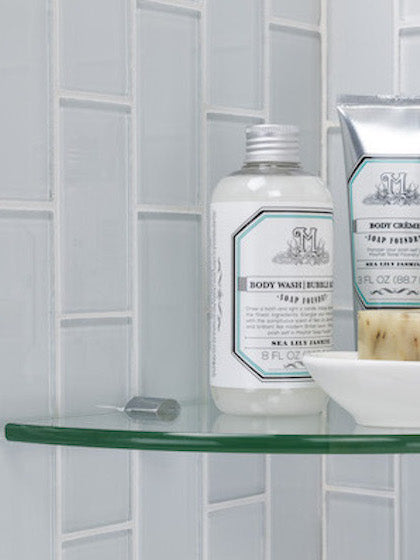

What Is a Horizontal Tile Layout?

A horizontal tile layout places tiles parallel to the floor, emphasizing width and continuity. This is the most traditional orientation and remains a staple in both classic and modern interiors.
How Horizontal Tiles Affect Space
Horizontal lines naturally draw the eye sideways, making rooms appear wider and more expansive. This layout is particularly effective in narrow spaces where visual balance is needed.
Best Rooms for Horizontal Tile Layouts
- Kitchen backsplashes
- Low-ceiling rooms
- Hallways and corridors
- Small bathrooms need visual width
Pros & Cons of Horizontal Tile Installation
Pros
- ✔ Creates a timeless, familiar aesthetic
- ✔ Makes narrow spaces feel wider
- ✔ Easier alignment during installation
Cons
- ✖ Can visually lower the ceiling height
- ✖ Less impactful for vertical emphasis
Horizontal subway tile remains one of the most popular options for backsplash tile designs due to its versatility and clean geometry.
Explore Subway Tiles for the perfect horizontal backsplash
What Is a Vertical Tile Layout?

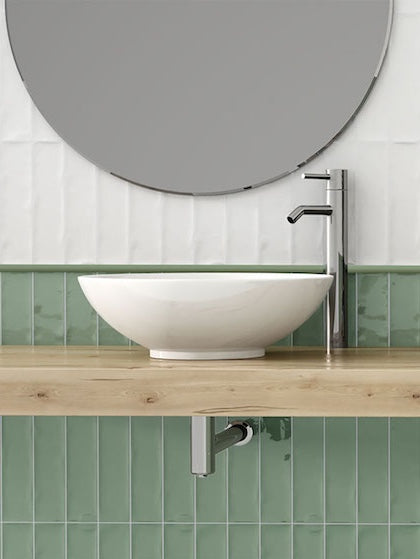
A vertical tile layout positions tiles perpendicular to the floor, directing attention upward. This orientation has gained popularity in contemporary and luxury interiors.
How Vertical Tiles Create Height
Vertical tile orientation elongates walls, giving the illusion of higher ceilings. This makes it a strategic choice for compact rooms or spaces that feel visually compressed.
Best Rooms for Vertical Tile Layouts
- Bathroom walls and showers
- Accent and feature walls
- Powder rooms
- Commercial interiors seeking drama
Pros & Cons of Vertical Tile Installation
Pros
- ✔ Enhances ceiling height
- ✔ Creates a bold, modern aesthetic
- ✔ Ideal for statement designs
Cons
- ✖ Installation requires precision
- ✖ Overuse can make narrow spaces feel tight
Vertical subway tile backsplashes are increasingly used to add architectural interest without changing tile size or material.
Check Out Glass Tiles for Bathrooms to Create a Shimmering Vertical Feature
Horizontal vs Vertical Tile Layout: Quick Comparison
| Feature | Horizontal Tile Layout | Vertical Tile Layout |
|---|---|---|
| Visual Impact | Expands width | Enhances height |
| Best for | Narrow rooms | Low ceilings |
| Style | Classic, transitional | Modern, luxury |
| Installation | Easier | More alignment-sensitive |
| Space Illusion | Wider rooms | Taller walls |
This comparison is key when deciding tile layout for small spaces, where proportions matter most.
Room-by-Room Tile Layout Recommendations
Kitchen Backsplashes
Horizontal tile layouts work best in most kitchens, especially with cabinetry that already emphasizes vertical lines. However, vertical subway tile layouts can modernize minimalist kitchens or highlight high ceilings.
Bathroom Walls & Showers
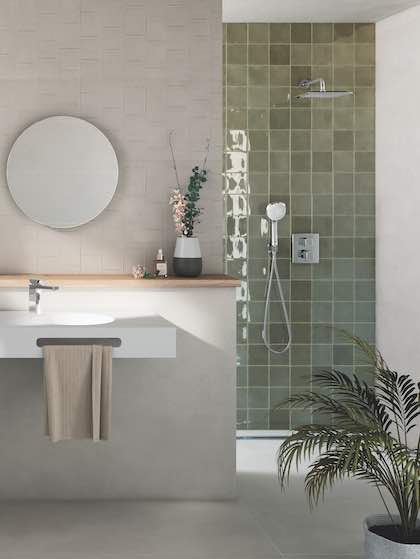
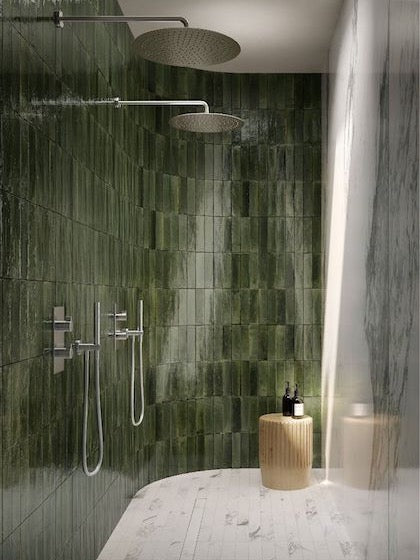
Vertical tile orientation is ideal for bathroom tile orientation, particularly in showers. It visually extends wall height and enhances the sense of openness in compact bathrooms.
Hallways & Accent Walls
For hallways, horizontal tile layouts help widen tight passages. Accent walls, on the other hand, benefit from vertical tiles to create a striking focal point.
How Tile Size, Color & Grout Impact Layout Direction
Tile orientation alone doesn’t define the final look—size, color, and grout play a critical role.
Large vs Small Tiles
- Large tiles amplify the directional effect
- Smaller tiles add texture but reduce dramatic impact
Light vs Dark Tiles
- Light-colored tiles enhance openness
- Dark tiles create depth but should be balanced carefully
Grout Color Contrast Effects
High-contrast grout emphasizes layout direction, while matching grout softens visual lines. This is especially important when selecting wall tile layout ideas for modern spaces. For a seamless look with fewer grout lines, consider Large Format Tiles.
Common Tile Layout Mistakes to Avoid
-
Choosing vertical tiles in extremely narrow rooms
-
Using dark grout with vertical layouts in small bathrooms
-
Ignoring ceiling height when selecting orientation
-
Overcomplicating layouts without considering tile size
Avoiding these pitfalls ensures the tile layout enhances—not overwhelms—the space.
Can You Mix Horizontal and Vertical Tile Layouts?
Yes—when done intentionally. Mixing layouts is increasingly popular in high-end interiors.
Modern & Luxury Design Use Cases
- Vertical tiles in showers paired with horizontal bathroom floors
- Horizontal backsplashes with vertical feature walls
Zoning & Feature Wall Strategy
Combining orientations helps define zones without physical dividers, making it a powerful technique in open-concept designs.
Expert Design Tips from Mineral Tiles
- Use vertical layouts to modernize classic tile styles
- Test grout samples alongside tile orientation
- Order samples before committing to a full installation
- Let room proportions guide layout—not trends alone
Strategic layout decisions elevate even simple tiles into architectural elements. Interested in unique textures? Read our guide on How to Use Iridescent Glass Tiles for Pool Waterlines.
Final Thoughts: Choosing the Right Tile Layout
Selecting between a horizontal vs vertical tile layout is ultimately a strategic design decision driven by room proportions, functional needs, and the visual narrative you want to create. Horizontal tile layouts deliver balance, continuity, and timeless appeal—making them ideal for kitchens, hallways, and spaces that benefit from added width. Vertical layouts, on the other hand, introduce height, movement, and a contemporary edge, elevating bathrooms, showers, and feature walls.
When chosen intentionally, tile orientation becomes more than a layout choice—it becomes a design tool. The right direction can visually expand a space, enhance architectural features, and turn ordinary walls into refined design statements that align seamlessly with modern interiors.